
STORY SO FAR
前回「87日間の流出はどう止められたのか」で確認した論点を受け、この回では環境被害はどこまで広がり、何が回復途上なのかの場所・空間条件は事件理解にどう関わるのか。を扱う。
Deepwater Horizon事故の環境被害は、「海面に広がった油」の面積だけでは測れない。
油は海面を移動し、shorelineへ到達し、一部は水中へ取り込まれ、海底にも沈着した。被害対象もmarsh、beach、oyster reef、fish、birds、sea turtles、marine mammals、deep-sea coralなど、生息場所もlife cycleも異なる。
NOAAは、2010年のspillをnorthern Gulf ecosystem全体へのinjuryとして評価した。現在のNOAA Fisheriesは、約1億3,400万gallonのoilが87日間流出し、surface oilが43,300 square miles以上で確認され、1,300 milesを超えるshorelineが影響を受けたと整理している。[1]
一方、「16年たったから環境は回復した」とも言えない。2026年9月更新のNOAA Fisheriesは、marine mammals、sea turtles、fish、coastal habitats、deep-Gulf ecosystemsなどへのrestorationとmonitoringが今後も長期に続くとしている。Deepwater Horizon Trusteesは2025年末までに384のrestoration activitiesを承認し、割当済みのrestoration costは33.4億ドルに達している。
この記事では、2010年に何がinjuredされたのかと、2026年に何をrestore / monitorしているのかを分けて確認する。
CASE FILE 50|Deepwater Horizon事故 2010
第9回では、surface、shoreline、marine mammals、sea turtles、birds、fish、deep-sea communitiesのdamageを分け、2026年時点のrestorationを「完了率」の一数字へ還元せずに追う。
まず、流出量の数字を一つに固定しない
Deepwater Horizonのoil quantityには、公的資料でも異なる表現がある。
NOAA FisheriesやNatural Resource Damage Assessment関連資料では、約134 million gallonsという値が広く使われている。barrel換算すれば約319万barrelに相当する。
一方、現在のEPAは「87日間に約4 million barrelsがflowした」と説明する。事故初期・調査期の資料には4.9 million barrelsやalmost five million barrelsという表現もある。
これらは、単純な換算ミスとして扱うべきではない。gross discharge、wellから出た量、direct recovery / collectionをどう扱うか、NRDAでinjury量として採用する値など、methodologyとdefinitionが違う。
そのため本CASEでは「Deepwater Horizonでは正確に○○barrels流出した」と一つの数字へ強制統一しない。
Article09で環境injuryを扱う際は、NOAA/Trusteesがnatural-resource assessmentに用いる約134 million gallonsを中心に扱い、EPAの約4 million barrelsとは別のofficial framingとして併記する。
oilはどこまで広がったのか
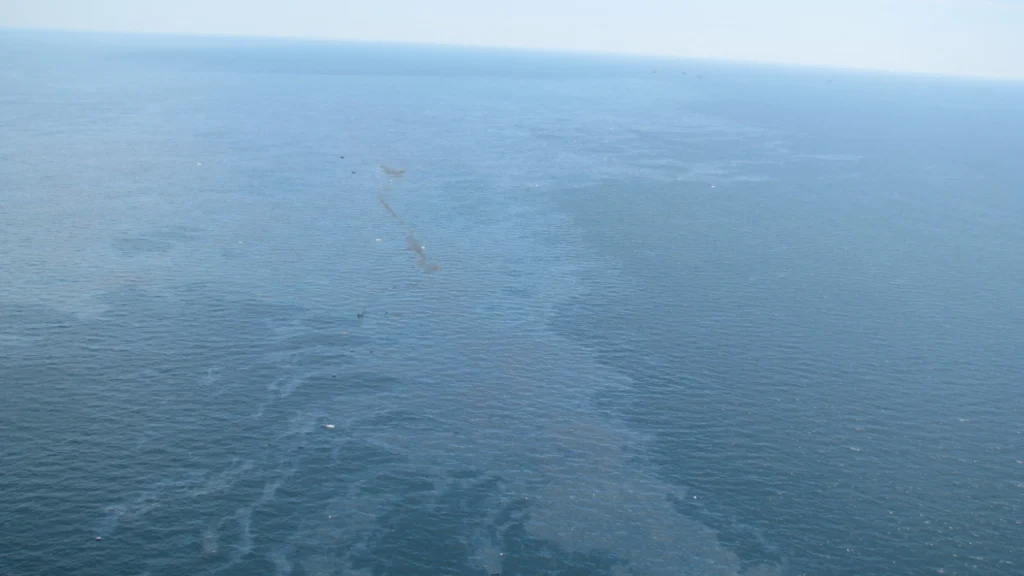
NOAA Fisheriesの2026年更新によれば、spill期間中にsurface oilがdetectされた範囲は累積で43,300 square milesを超えた。これはVirginia州ほどの面積に相当する。
wind、current、tideによってoil slickはnorthern Gulfへ広がり、eastern TexasからFlorida Panhandleまで、beach、bay、estuary、marshを含む1,300 miles以上のshorelineがdamageを受けた。
ただし43,300 square milesを「その全域が同じ濃度の油で覆われた」と解釈してはいけない。satellite、aerial observation、trajectory、field sampleなどを使ってspill期間中のoil presenceを積み上げたspatial footprintであり、時間・場所によりoiling intensityは異なる。
shorelineでも同様である。heavy oiling、moderate oiling、light traceではecological effectが違う。
NRDAのnearshore研究では、oil exposureによりmarsh vegetationとassociated faunaのhealthが低下し、nearshore oyster coverが失われ、約108 milesのoiled marsh edgeでerosion increaseが確認された。
「海岸だけ」の事故ではなかった
Deepwater Horizonは水深約1,500メートルのwellheadから直接oil/gasが放出された。
そのためoilはsurfaceへ上がるまでのwater columnにも入り、一部はdeepwater layerへ取り込まれた。surfaceへ達したoilもweathering、evaporation、dispersion、burning、recoveryを受け、shorelineへ漂着したもの、water columnに残ったもの、sedimentへ沈着したものへ分かれた。
NOAAは、deep-sea coralを含むmesophotic / deep benthic communitiesへのinjuryもnatural resource damageとして扱っている。
つまり被害範囲を「Louisianaのbeachに油がついた」と理解すると、open oceanとdeep seaのinjuryが消えてしまう。
shorelineとmarshでは、cleanup自体もriskになる
oilがshorelineへ到達すれば、取り除けばよいように見える。
しかしmarshのようなfragile habitatでは、heavy equipmentや大量のpersonnelを入れてcleaningすること自体がvegetationやsediment 構造を壊す。
NOAAのshoreline assessment guidanceは、sensitive marshでは「何もしないこと」がoil removalよりenvironmental damageを小さくする場合があると説明している。
Deepwater Horizon responseではSCAT、Shoreline Cleanup Assessment Technique teamsがoiling状態をsurveyし、cleanup endpointやmethodの判断にdataを提供した。
ここでも「oilが残った=cleanup失敗」「全部取った=成功」という二択ではない。
natural recoveryを待つ方がdamageが少ない場所もあり、mechanical removalが必要な場所もある。cleanup 判断 itselfがecological trade-offだった。
birdsへのdamage
surface oilとshoreline oilはbirdsへ直接影響した。
featherにoilが付くとwaterproofingとinsulationが失われ、体温維持が難しくなる。preeningによってoilを摂取すれば内部曝露も起こる。
NOAAのoil-spill wildlife tutorialは、Deepwater Horizonによって少なくとも93 speciesのbirdsで、最大84,500 birdsが死亡したとするNRDA estimateを紹介している。
ただしこの数字は「回収された死骸の数」ではない。
wildlife mortality assessmentでは、死骸の発見率、漂流、scavenging、search effortなどを補正し、observed carcassesからtotal injuryを推定する。
したがって事故当時に回収された個体数と、NRDAのestimated mortalityを混同しない。
sea turtlesへのdamage
Gulfにはloggerhead、Kemp’s ridley、green、hawksbill、leatherbackの5 speciesのsea turtlesが生息する。
NOAA Fisheriesは、Deepwater Horizonでloggerhead、Kemp’s ridley、green、hawksbillの4 speciesについてinjuryが確認され、leatherbackもoil exposureがlikelyだったがinjuryをconfirmできなかったと整理している。
特にsmall juvenile turtlesはsurfaceのSargassum habitatを利用する。oilもsurfaceへ集まりやすいため、young turtlesとoil slickが同じhabitatで重なった。
NOAAのwildlife summaryでは、4,900–7,600のlarge juvenile/adult sea turtlesと、55,000–160,000のsmall juvenile/hatchling turtlesが死亡したと推定されている。[3]
さらにKemp’s ridleyについては、spill期間中にGulfに存在したoceanic juvenile populationの最大20%がoil exposureで死亡した可能性がある。
sea turtleは成熟まで長い時間がかかる。NOAA Fisheriesは、spillで失われた個体数をpopulation levelで回復するにはdecades of sustained restorationが必要としている。
dolphinsでは長期的なhealth effectが確認された
marine mammalsでは、Barataria BayやMississippi Soundのbottlenose dolphinsが重要なstudy populationになった。
NOAA Fisheriesによれば、oil-exposed dolphinsではlung disease、abnormal stress response、immune function impairmentなどのhealth effectsが確認された。
2010–2015 studiesから、Barataria Bay bottlenose dolphinsでは、比較対象populationよりmortalityが35%高く、failed pregnanciesが46%高く、adverse health effectsのlikelihoodが37%高かったと推定された。
NOAA scientistsは、active restorationがない場合、Barataria Bay stockがrecoverするまで約39年かかるとestimateした。またspillから約10年後のpopulation sizeは51% lossになるとmodelされた。
continental shelf / oceanic cetaceansでは、active restorationなしのrecovery estimateが10–105 yearsに及ぶspeciesもある。
これは、「海面のoil slickが消えた時点でmarine mammal injuryも終わった」わけではないことを示す。
fishへのimpactは「大量の成魚が浮いた」だけでは測れない
fish injuryでは、adult fishの死亡だけを見ると被害を過小評価する。
eggsやlarvaeは小さく、surface / upper water columnでoil exposureを受けやすい。NOAAのsummaryでは、Deepwater Horizon spillによって最大5 trillion newly hatched fishが死亡したと推定されている。
一方、fish populationはspeciesごとのlife history、reproduction rate、migration、fishing pressureなどが異なるため、「5 trillion」という一数字だけでcurrent population statusを語ることもできない。
restorationでは、habitat restorationだけでなく、bycatch reduction、post-release mortality reduction、recreational fishery practice改善など、oil spill以外のcontinuing stressを減らしてpopulation recoveryを助けるprojectも採られている。
deep-sea coralは、見えにくい被害だった
事故現場の近くにはsunlightがほとんど届かないdeep benthic communitiesが存在する。
deep-sea coralは成長が遅く、構造自体がfishやinvertebrateのhabitatになる。
Deepwater Horizon後、wellhead周辺のdeep coral communitiesでtissue loss、excess mucus、hydroid colonizationなどoil exposureと整合するinjuryが確認され、NRDAでdeep benthic resource injuryとして扱われた。
このhabitatはshorelineのようにheavy equipmentで「油を洗い流す」ことができない。
restorationは直接元のcoralを短期間で戻すのではなく、deep-sea habitat mapping、propagation、outplanting、monitoring、science capacityの拡張といった長期projectになる。
2026年にもNOAA Ship Nancy Fosterを使った任務が実施され、spillでinjuredされたmesophotic coral habitatへpropagated coral fragmentsをoutplantする作業が続いている。
つまりdeep coral restorationは、事故から16年後もactive field workの段階にある。
oystersとcoastal habitatは別のrestoration logicを持つ
oyster reefはshoreline protection、水質filtration、fish/invertebrate habitatとして複数のecosystem serviceを持つ。
nearshore oil exposureとresponse activityはoyster resourceにもinjuryを与えた。
restorationではshell baseを配置してnew oystersがsettleできるsubstrateを作る、linear reefでshoreline erosionを抑える、hatcheryからseed oystersを供給するといった方法が使われている。
marsh、barrier island、beach、oyster reefは互いに独立した「個別施設」ではない。habitatの形を戻すことがfish、birds、turtles、community flood protectionなど複数resourceのbenefitにつながる。
そのためTrusteesは、resource-by-resourceだけでなくecosystem-wide restorationを採用している。
2016年settlementは「環境が元通りになる金額」ではない
2016年、Federal District CourtはDeepwater Horizonに関する大規模settlementを承認した。
NOAA Fisheriesの現在の説明では、total settlementは$20.8 billionで、その中にnatural resource injuriesとlost recreational usesへのrestorationとして最大$8.8 billionが含まれている。
この$8.8 billionを「damageの値段」や「これを使えば元通り」と理解するのは不正確である。
NRDA restorationは、injured resourceを直接戻すだけでなく、lost ecological servicesやpublic useをcompensateし、long-term monitoring / adaptive managementを行うためのprogramである。
また、fundingは一度に全額を使うのではなく、restoration 計画、project selection、implementation、monitoringを段階的に進める。
2026年時点で、どこまで進んだのか
Deepwater Horizon Trustee Councilが2026年6月に公表した2025 annual reportsによれば、spillから16年の間にTrustee Implementation Groupsは384 different activitiesをapprovedした。[2]
combined allocated restoration costは$3.34 billionである。
2025年だけでも9 new projectsがapprovedされ、2025 reporting setには286 approved restoration projectsを含む325 reportsがある。
この数字は、restorationが大規模に進んでいることを示す一方、$8.8 billionのrestoration framework全体が完了したという意味ではない。
NOAA Fisheriesの2026年9月更新も、Deepwater Horizon restorationについて「well into the future」に続くprogramとして説明している。
restorationは「工事を終えたら完了」ではない
habitat projectでは、marshを造成した、reefを作った、coralを植えた時点でsuccessが確定するわけではない。
storm、sea-level rise、water quality、species recruitment、predation、diseaseなどでresultは変わる。
そのためDeepwater Horizon restorationでは、implementation後のmonitoringとadaptive managementが大きな比重を持つ。
NOAAは、marine mammals、sea turtles、fish、invertebrates、mesophotic / deep benthic communitiesなどについて、restoration outcomeを評価するscience needsとmonitoringを継続している。
「project countが増えた」だけではenvironmental recoveryを証明できない。project outputとresource outcomeを分けて追う必要がある。
回復を一つのpercentageで表せない理由
Deepwater Horizon後のGulfを「80%回復」「ほぼ元通り」のように一数字で表すofficial metricは存在しない。
理由はresourceごとにbaseline、injury、recovery time、monitoring methodが違うからである。
- shoreline:oil exposureとerosion、wetland acreageなど
- sea turtles:life-stage別mortality、nesting、bycatchなど
- dolphins:survival、reproduction、health、strandingなど
- fish:species/population、生息場所、fishery mortalityなど
- deep coral:colony condition、habitat extent、growthというdecades-scaleの指標
あるresourceが改善していても、別resourceが長期recoveryの途中であることは普通に起こる。
そのため「Gulfは回復したか」という問いへの正確な答えは、resourceごとに違い、restoration program全体としては2026年も継続中となる。
技術図|2010 injuryから2026 restorationまで
この記事の図は地理的な厳密mapではなく、Gulf ecosystemをsurface / shoreline / open ocean / deep seaの層に分ける模式図とする。
2010側には、43,300+ square milesのsurface-oil footprint、1,300+ miles shoreline、birds、sea turtles、dolphins、fish、deep coral injuryを配置する。
2026側には、coastal habitat、oyster reef、sea turtle bycatch reduction、marine mammal monitoring、fish restoration、mesophotic/deep benthic coral restorationを配置する。
中央には「2016 settlement: up to $8.8B NR restoration」、下段には「2025 year-end: 384 activities / $3.34B allocated」と示す。
この図の目的は被害範囲を一つのpolygonで塗ることではなく、injuryの種類とrestoration methodが一対一ではないことを示すことである。
検証ポイント|16年たったので、Gulfは「回復済み」?
そうは言えない。
多数のrestoration projectsが進み、habitat creationやspecies protection、monitoring、science improvementで大きな進展はある。
しかしNOAA Fisheries自身が2026年9月時点で、restorationを今後も長期に続くprogramとして説明している。
sea turtleは失われたpopulation numbersを戻すのにdecadesが必要とされ、dolphin populationsではactive restorationなしに数十年規模のrecovery estimateが出ている。deep-sea coral restorationも2026年にfield propagation / outplantingが行われている段階である。
したがって「事故前と同じ状態に戻った」という結論は、現在のofficial 証拠を超える。
まとめ|何が回復途上なのか
Deepwater Horizonのenvironmental injuryは、surface slickとshorelineだけではなかった。
surface oilは累積43,300 square miles以上でdetectされ、1,300 milesを超えるshorelineがdamageを受けた。birds、sea turtles、fish、marine mammals、oysters、marsh、deep-sea coralまで、多層のecosystem resourcesがinjuredされた。
その後、2016 settlementにより最大$8.8 billionのnatural-resource restoration frameworkが作られた。
2025年末時点では384 activitiesへ合計$3.34 billionがallocatedされ、2026年もcoral restorationを含むfield projectsとmonitoringが進行している。
だからDeepwater Horizonの環境面の現在地は、「cleanupが終わった事故」ではない。
response phaseは終わった。damage assessmentは大きく確定した。しかしresource recoveryを目的とするrestoration / monitoringは続いている。
最終回では、こうした長期restorationへ至るまでに、JIT、CSB、National Commissionなどが技術・組織・規制の何を問題とし、事故後のoffshore regulationがどう変わったのかをまとめる。
次の記事
調査は何を問題とし、規制はどう変わったのか
cement、negative test、kick detection、BOPを個別原因として繰り返すのではなく、risk management、safety management systems、regulator reorganization、Well Control Rule、civil settlementまでを「事故後にsystemがどう変えられたか」で整理する。
CASE FILE 50|全10回
- Deepwater Horizon事故とは何だったのか
- Deepwater Horizon事故|水深約1500mのMacondo井では何をしていたのか
- Deepwater Horizon事故|セメントと坑井障壁はなぜ破れたのか
- Deepwater Horizon事故|陰圧試験はなぜ「成功」と判断されたのか
- Deepwater Horizon事故|キックはどう暴噴へ進んだのか
- Deepwater Horizon事故|BOPはなぜ最後の壁になれなかったのか
- Deepwater Horizon事故|爆発後、126人はどう退避したのか
- Deepwater Horizon事故|87日間の流出はどう止められたのか
- 現在の記事:Deepwater Horizon事故|環境被害はどこまで広がり、何が回復途上なのか
- Deepwater Horizon事故|調査は何を問題とし、規制はどう変わったのか
FACT CHECK|出典・参考資料
- [1] NOAA Fisheries, Deepwater Horizon: A Moment in Time, Decades of Restoration(updated September 10, 2026) 134 million gallons、43,300+ square miles、1,300+ shoreline miles、resource injuries、2026年時点のrestoration継続状況に使用。
- [2] Deepwater Horizon Trustee Council, 2025 Annual Reports(June 1, 2026) 384 activities、$3.34 billion allocated、最大$8.8 billion restoration frameworkの現状確認に使用。
- [3] NOAA Ocean Service, Coastal Pollution Tutorial birds、sea turtles、newly hatched fishのNRDA mortality estimatesとecosystem-wide injuryの説明に使用。
- [4] NOAA Fisheries, Sea Turtles, Dolphins, and Whales after Deepwater Horizon Barataria Bay dolphinsのhealth / survival / reproductive effects、sea turtle population recovery timesの確認に使用。
- [5] NOAA Fisheries, Mesophotic Coral Restoration(2026) 2026年にもspill-injured coral habitatでpropagation / outplantingが続いていることの確認に使用。
- [6] NOAA NRDA nearshore ecosystem studies 1,300+ miles shoreline、marsh vegetation/fauna injury、oyster cover、約108 milesのmarsh-edge erosion increaseの確認に使用。
Deepwater Horizon事故|原油流出はなぜ拡大したのか 第9回 全10回 全10回を見る
- 01 Deepwater Horizon事故とは何だったのか
- 02 Deepwater Horizon事故|水深約1500mのMacondo井では何をしていたのか
- 03 Deepwater Horizon事故|セメントと坑井障壁はなぜ破れたのか
- 04 Deepwater Horizon事故|陰圧試験はなぜ「成功」と判断されたのか
- 05 Deepwater Horizon事故|キックはどう暴噴へ進んだのか
- 06 Deepwater Horizon事故|BOPはなぜ最後の壁になれなかったのか
- 07 Deepwater Horizon事故|爆発後、126人はどう退避したのか
- 08 Deepwater Horizon事故|87日間の流出はどう止められたのか
- 09 Deepwater Horizon事故|環境被害はどこまで広がり、何が回復途上なのか
- 10 Deepwater Horizon事故|調査は何を問題とし、規制はどう変わったのか